Roof Leaks in Winter: Why They Happen After a Snowstorm (and What to Do Right Now)
Why Roof Leaks Can Show Up Days After a Snowstorm
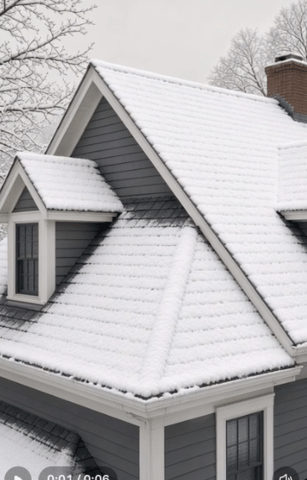
Snow can sit on a roof before it begins to melt. Sunshine, warmer temperatures, and heat escaping from inside the home can turn that snow into water. As temperatures drop again, some of that water refreezes.
These changes help explain why a ceiling can stay dry during a storm and start dripping a day or two later.
Ice Dams Can Trap Melting Snow
An ice dam is a ridge of ice that forms along a roof’s edge and prevents melting snow from draining properly.
Heat escaping into the attic can warm the roof above the living space. Snow melts, runs toward the colder roof edge, and freezes. As the ice builds, water can collect behind it and work underneath the shingles.
That water may reach the roof decking, insulation, walls, and ceilings. The National Weather Service notes that repeated melting and freezing can cause water to enter the attic and damage the home’s interior.
“A winter roof leak can start with something you can’t see from the driveway. Finding out why the water is getting in is just as important as stopping the drip.”
— Eddie Griffin, Owner, Brown Roofing (proposed quote)
Existing Roof Problems Can Let Water In
Damaged shingles and gaps around roof penetrations can create entry points for melting snow. Flashing—the material that helps keep water out around chimneys, skylights, and roof-to-wall connections—is another area that needs attention.
The stain on your ceiling also may not sit directly beneath the entry point. Water can travel along framing before it becomes visible inside.
Attic Condensation Can Look Like a Leak
Not every winter drip comes from outside.
Warm, moist indoor air can reach a cold attic and condense on the underside of the roof. In freezing conditions, that moisture can become frost. When the attic warms, the frost can melt and drip.
An inspection helps distinguish a roofing leak from a moisture problem involving air leaks, insulation, ventilation, or exhaust fans.
What to Do Right Now If Your Roof Is Leaking
1. Put Safety First
Keep people and pets away from a sagging or bulging ceiling. Do not poke it or stand beneath it.
If water is near lights, outlets, or electrical equipment, stay clear and contact a qualified electrician. Do not touch wet switches, fixtures, or appliances.
If you hear cracking sounds or notice roof sagging or other signs of possible structural failure, leave the home and call 911 from a safe location.
2. Protect What You Can Safely Reach
Move furniture, rugs, and valuables away from the affected area. Place a bucket beneath a small drip only if the ceiling above appears stable and there is no electrical hazard.
These steps can limit damage while you arrange help, but they do not resolve the source.
3. Take Photos and Note the Timing
Photograph ceiling stains, peeling paint, and visible water damage from a safe location. Record when the leak started and whether it became worse during sunshine, warmer weather, or rain.
If you can safely see the roof from the ground, photograph unusual ice buildup too. These details can help the contractor investigate.
4. Call a Roofing Professional Promptly
Tell the contractor that you have an active winter leak and describe any ceiling or electrical concerns. Ask about an inspection and temporary protection when conditions allow.
Don’t assume the problem is fixed if the dripping stops when temperatures fall. Water may simply have frozen again.
“When a homeowner calls about a leak after a snowstorm, we want to understand when it started and what they’re seeing inside. Those details help us investigate the source and explain the next steps.”
— Dennis Danley, General Manager, Brown Roofing (proposed quote)
What Not to Do
Stay off a snowy or icy roof, and avoid ladders in slippery conditions. Do not chop ice with an axe or hammer, use an open flame, or try to pull down heavy icicles. You could damage the roof or get seriously hurt.
If snow or ice needs to be removed, have a qualified professional assess the safest approach. Also avoid painting over a stain before the source is corrected and affected materials have dried or been replaced.
How to Reduce the Chance of Another Winter Leak
Prevention starts with understanding the cause. Depending on the home, the solution may include:
- Repairing damaged roofing or flashing.
- Sealing air leaks between the living space and attic.
- Improving attic insulation.
- Correcting ventilation problems in a vented attic.
- Making sure bathroom and kitchen exhaust fans vent outdoors.
- Clearing gutters and downspouts before freezing weather arrives.
Air sealing, insulation, and properly designed ventilation work together to help reduce ice-dam risk. Adding vents alone may not solve a problem caused by heat escaping from the house.
Clean gutters help drainage, but they do not eliminate the conditions that create ice dams.
Get Help With a Winter Roof Leak in Connecticut
A ceiling stain after a snowstorm deserves attention—even if the dripping has stopped. Finding the cause early can help prevent more damage and give you a clear plan for repairs.
Family-owned since 1972, Brown Roofing serves homeowners throughout Fairfield, New Haven, and Litchfield Counties. If melting snow has revealed a problem with your roof, contact the team to discuss an inspection and next steps.
Call 1-203-723-1372.
Brown Won’t Let You Down.