How to Assess Storm Damage to the Exterior of Your Home
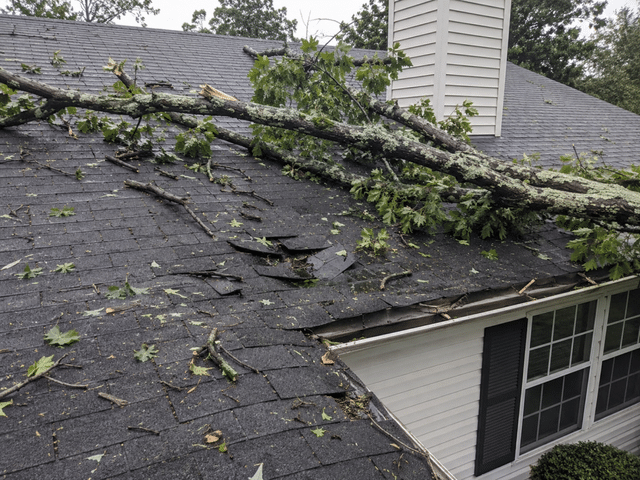
At Brown Roofing, we believe the best first step after any major storm is simple: look carefully, stay safe, and call a local professional you can trust.
“Storm damage can be sneaky,” says Brown Roofing Owner Eddie Griffin. “A roof might look fine from the driveway, but a lifted shingle, damaged flashing, or small opening around a vent can lead to major water damage later. The sooner you have it checked, the better chance you have of preventing a bigger problem.”
Start With Safety First
Before you inspect anything, make sure the area around your home is safe. Do not climb onto your roof after a storm. Wet shingles, loose granules, broken branches, and hidden damage can make a roof extremely dangerous.
Instead, walk around your property from the ground and take photos or videos of anything that looks unusual. If you see downed wires, large hanging branches, structural damage, or active water entering your home, keep your distance and contact the appropriate emergency service or utility company first.
Exterior Storm Damage Warning Signs
Storm damage does not always mean a tree through the roof. Many problems are smaller and easier to miss. Here are common signs homeowners can look for from the ground.
Roof Damage
Look for missing shingles, shingles that appear lifted or curled, exposed roof decking, loose ridge caps, torn flashing, or pieces of roofing material in the yard. You may also notice dark patches where shingles are missing granules, or a sudden buildup of granules near your downspouts.
Granules are the protective coating on asphalt shingles. When they are knocked loose by hail, wind, or debris, the shingle can age faster and become more vulnerable to leaks.
Gutter Damage
Check your gutters and downspouts for dents, sagging sections, loose fasteners, clogs from storm debris, or gutters pulling away from the fascia board. Gutters are designed to move water away from your home. When they are damaged, water can overflow and affect your siding, foundation, landscaping, fascia, and soffits.
Siding and Trim Damage
Walk around the home and look for cracked siding, loose panels, missing trim, dents, holes, or sections that appear bowed. Wind-driven debris can hit the side of a home hard enough to create openings where water can enter.
Chimney and Flashing Damage
The area where the chimney meets the roof is one of the most common leak points on a home. Look for loose metal flashing, missing mortar, cracked chimney crowns, leaning chimney caps, or pieces of masonry on the ground.
Skylight and Vent Damage
Skylights, pipe boots, bathroom vents, attic vents, and other roof penetrations should be checked after a storm. Cracked seals, broken flashing, or loose vent covers can allow water into the attic even when the shingles around them appear normal.
Interior Signs of Storm Damage
Do not forget to check inside. Look in the attic if it is safe to access. Watch for damp insulation, water stains on rafters, musty smells, dripping water, or daylight coming through the roof. Inside living areas, look for ceiling stains, bubbling paint, soft drywall, or water marks around walls and windows.
“A homeowner may not see a leak right away,” says Brown Roofing General Manager Dennis Danley. “Water can travel before it shows itself. That is why a full inspection matters. We are not just looking at shingles. We are looking at the whole roofing system, the attic, ventilation, flashing, gutters, and the areas where water is most likely to sneak in.”
Document Everything
If you suspect storm damage, take clear photos and videos before moving debris or making temporary repairs. This can be helpful if you need to contact your insurance company.
Try to document:
- The date of the storm
- Photos of damage from multiple angles
- Missing shingles or roofing materials found in the yard
- Water stains or leaks inside the home
- Damaged gutters, siding, fascia, chimney, or skylights
- Fallen branches or debris near the damaged area
The more information you have, the easier it is to explain what happened.
Why a Local, Reputable Contractor Matters
After a major storm, homeowners are often overwhelmed. That is exactly when out-of-state “storm chasers” tend to appear. These companies often follow severe weather events from town to town, knocking on doors and pressuring homeowners into quick decisions.
A local contractor has something a storm chaser does not: accountability.
Brown Roofing has served Connecticut homeowners since 1972. We live here, work here, and stand behind our work here. If a problem comes up after the job, you know where to find us.
A reputable local contractor should be able to provide:
- A Connecticut home improvement registration number
- Proof of insurance
- A written estimate
- A clear scope of work
- Photos or videos explaining the damage
- Local references and reviews
- A real office, local team, and established reputation
- Clear communication before, during, and after the project
In Connecticut, homeowners should be cautious of contractors who refuse to provide a written contract, ask for untraceable payment, pressure you to sign immediately, or cannot provide references. The Connecticut Department of Consumer Protection has warned homeowners to watch for these types of storm-related contractor scams, and Connecticut home improvement contractors are required to be registered with DCP.
Red Flags of Out-of-State Storm Chasers
Not every door knocker is dishonest, but homeowners should slow down when a contractor uses pressure instead of professionalism.
Be careful if a contractor:
- Shows up immediately after a storm and says they are “already working in the neighborhood”
- Uses scare tactics to make you believe you must sign right away
- Offers a deal that is only available “today”
- Asks for a large cash deposit up front
- Refuses to provide a written estimate or contract
- Will not show proof of insurance or registration
- Has out-of-state plates, a temporary-looking business name, or no local office
- Says they can “handle everything” with your insurance without explaining the process
- Tells you not to contact other contractors
- Has little or no local review history
- Cannot explain the materials, warranty, ventilation, flashing, or installation process
- Promises a roof replacement without completing a proper inspection
A professional contractor should educate you, not corner you. You should feel informed, not rushed.
“If someone is pressuring you at the door, that is your sign to pause,” says Eddie Griffin. “A good contractor will give you time to ask questions, check reviews, look up their license, and understand the work. Your home is too important for a snap decision.”
What a Proper Storm Damage Inspection Should Include
A storm damage inspection should be more than a quick glance from the driveway. A thorough inspection should look at the entire exterior system and the most common leak points.
At Brown Roofing, our inspection process may include:
- Roof surface inspection
- Shingle condition assessment
- Ridge cap and ridge vent inspection
- Chimney and flashing inspection
- Skylight and pipe boot inspection
- Gutter and downspout inspection
- Siding, fascia, soffit, and trim review
- Attic inspection when needed
- Photo and video documentation
- A clear explanation of what we found
The goal is not to scare the homeowner. The goal is to give them the facts.
Sometimes storm damage requires a repair. Sometimes it reveals that an older roof is near the end of its life. Sometimes the home is in good shape and the homeowner simply needs peace of mind. A trustworthy contractor will explain the difference.
Do Not Wait for a Small Problem to Become a Big One
Storm damage often gets worse with time. A lifted shingle can allow wind-driven rain underneath the roofing system. Damaged flashing can slowly leak into the attic. Loose gutters can send water where it does not belong. What starts as a small issue can become stained ceilings, wet insulation, mold concerns, rotted decking, or interior repairs.
After a major storm, it is better to inspect early than regret later.
Brown Roofing Is Here When Connecticut Weather Hits
Connecticut storms can be unpredictable, but choosing a contractor should not be. Brown Roofing is a local, reputable, family-owned company that has been helping homeowners protect their homes for over 50 years.
If your home was affected by wind, hail, heavy rain, falling branches, or flying debris, contact Brown Roofing for a professional storm damage inspection. We will document what we find, explain it in everyday language, and help you understand your best next step.
Because when the storm passes, Brown Won’t Let You Down.
.png)