What Is a Ridge Vent, and Why Does It Matter for Your Roof?
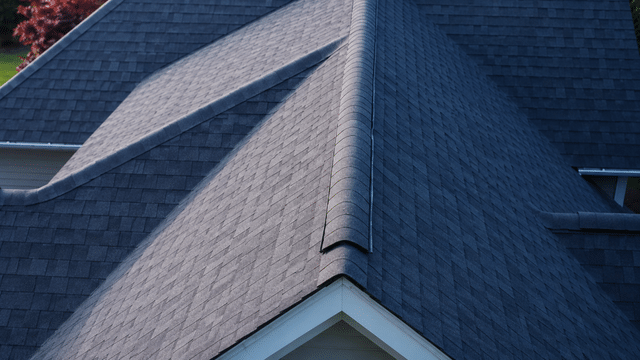
A ridge vent works as an exhaust vent. As warm, moist air rises inside the attic, the ridge vent gives that air a place to escape at the highest point of the roof. When paired with proper intake ventilation, usually through soffit vents under the eaves, it helps create steady airflow through the attic. Building codes and roofing manufacturers both emphasize that attic vents should be installed according to manufacturer instructions and properly balanced between intake and exhaust.
Why Attic Ventilation Matters
Without proper ventilation, heat and moisture can build up in the attic. That trapped air can quietly create problems above your ceiling and below your shingles.
In the summer, a hot attic can make your cooling system work harder and can add unnecessary heat stress to roofing materials. In colder months, warm attic air can contribute to uneven roof temperatures, which may increase the risk of ice dams when snow melts and refreezes near the edges of the roof. Moisture buildup can also lead to damp insulation, musty odors, staining, mold concerns, and wood deterioration over time. ENERGY STAR notes that attic ventilation helps move hot air out and bring cooler outside air in when the attic is properly vented and air-sealed.
Think of the ridge vent as the roof’s quiet release valve. It is not flashy, but when it is doing its job, it helps protect the entire roofing system from the inside out.
Ridge Vent Needs Intake Ventilation
A ridge vent should not work alone. For air to leave the attic through the ridge, fresh air needs a way to enter near the lower part of the roof. That is where soffit vents come in.
When soffit vents are clear and properly sized, they allow cooler outside air to enter the attic. That air then moves upward and exits through the ridge vent. This high-and-low airflow pattern helps ventilate the attic more evenly. The International Residential Code describes attic ventilation in terms of total vent area and placement, including ventilation near the upper portion of the attic and ventilation near the lower portion.
A ridge vent without enough intake is like a straw with your finger over one end. It may be there, but airflow is limited. In some cases, poor intake can even cause the attic to pull air from the living space through gaps, ceiling penetrations, or poorly sealed areas.
Why Ridge Vent Maintenance Is Important
Ridge vents are designed to be low-maintenance, but low-maintenance does not mean no maintenance. Over time, leaves, pine needles, debris, animal nesting material, wind-driven rain damage, or improper past repairs can affect airflow.
Homeowners should watch for signs that the attic ventilation system may not be working properly, including:
- A hot, stuffy attic
- Musty smells
- Moisture stains on roof decking or rafters
- Mold-like growth in the attic
- Rusted nails or damp insulation
- Ice dam issues in winter
- Shingles aging faster than expected
- Bathroom fans venting into the attic instead of outside
The ridge vent itself should also be inspected during roof maintenance. A roofing professional can check whether the vent is cracked, crushed, loose, blocked, improperly nailed, missing end caps, or covered by roofing materials in a way that limits airflow.
Common Ridge Vent Problems
One common issue is blocked soffit ventilation. Even if the ridge vent looks fine from the outside, insulation inside the attic may be covering the soffit intake vents. When that happens, the system cannot pull in enough fresh air.
Another issue is mixing ventilation systems incorrectly. For example, combining ridge vents with certain gable vents or powered attic fans may disrupt the intended airflow pattern if the system was not designed properly. Instead of drawing air from the lower soffits and exhausting it through the ridge, the attic may short-cycle air from one vent to another, leaving sections of the attic under-ventilated.
Poor installation can also create problems. Ridge vents need to be installed over the correct opening at the roof peak, fastened properly, and covered according to the vent manufacturer’s instructions. IKO’s roofing guidance, for example, notes that ridge vent and cap shingles should be installed according to the vent manufacturer’s nailing guide.
When Should a Ridge Vent Be Checked?
A ridge vent should be inspected as part of regular roof maintenance, especially after strong winds, heavy storms, roof repairs, gutter work, insulation upgrades, or signs of attic moisture.
It is also important to review attic ventilation when replacing a roof. A new roof is the best time to correct old ventilation issues because the roofing system is already being opened up. A professional can check the attic, measure ventilation needs, inspect soffit intake, and make sure the roof has the right balance of airflow.
At Brown Roofing, we look at the roof as a complete system. That means checking more than the shingles. We look at the attic, roof deck, ventilation, flashing, valleys, penetrations, and other areas that affect long-term performance.
The Bottom Line
A ridge vent helps your attic breathe by allowing warm, moist air to escape from the highest point of the roof. When paired with clear soffit intake vents, it helps protect your roof, attic, insulation, and home from heat and moisture problems.
Proper ventilation may not be the most visible part of your roof, but it is one of the most important. A well-maintained ridge vent system helps your roof work the way it was designed to work: quietly, efficiently, and reliably.
If you are seeing moisture in your attic, ice dam issues, unusual roof staining, or signs that your roof is aging too quickly, it may be time to have your ventilation system inspected.
Brown Roofing has been helping Connecticut homeowners protect their homes since 1972. From roof inspections to full roof replacements, our team looks at the entire roofing system so small ventilation issues do not turn into bigger problems later. Brown Won’t Let You Down.

.png)