Which Sections of a Home's Roof Are Most Susceptible to Roof Leaks?
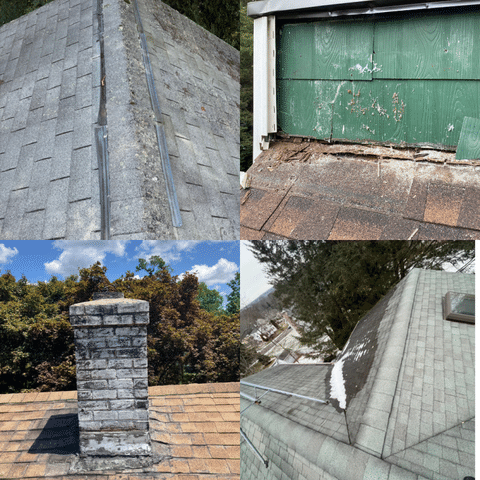
For Connecticut homeowners, understanding the most leak-prone parts of a roof can help catch small problems before they turn into stained ceilings, damaged insulation, rotted decking, mold concerns, or costly interior repairs.
1. Roof Valleys
Roof valleys are one of the most common places for leaks. A valley is where two roof slopes meet and direct water down the roof. Because valleys carry a heavy volume of rainwater, melting snow, leaves, and debris, they need to be installed and protected correctly.
When valley shingles wear down, flashing fails, or debris blocks the water path, moisture can work its way under the roofing system. During heavy rain, a poorly protected valley can become a direct path for water to enter the home.
2. Chimney Flashing
Chimneys are another major leak point because they interrupt the roof surface. The area where the chimney meets the roof must be sealed with proper flashing, counter flashing, and water protection.
Cracked mortar, loose flashing, old sealant, or poor installation can allow water to get behind the chimney and into the attic or living space. Many chimney leaks are not caused by the shingles themselves, but by failing masonry or flashing around the chimney.
3. Skylights
Skylights add natural light, but they also create a vulnerable opening in the roof. Water must be carefully directed around the skylight with proper flashing and underlayment.
Older skylights, cracked seals, improper flashing, and ponding water around the frame can all lead to leaks. If a skylight was installed incorrectly or the surrounding shingles are worn, water can collect and enter around the edges.
4. Roof-to-Wall Transitions
Any place where the roof meets a wall is a high-risk area. This includes dormers, additions, porches, siding transitions, and second-story walls.
These areas rely on step flashing to move water away from the wall and back onto the roof. When flashing is missing, rusted, reused, or covered incorrectly by siding, water can get trapped behind the wall and cause hidden damage.
5. Pipe Boots and Roof Penetrations
Plumbing vents, bathroom exhaust vents, attic vents, satellite mounts, and other roof penetrations all create openings in the roofing system. Each one must be properly sealed.
Pipe boots are especially common leak sources. Over time, the rubber collar around the pipe can crack from sun exposure and temperature changes. Once that seal fails, water can run down the pipe and into the attic.
6. Solar Panel Mounting Areas
Solar panels can be a great investment, but they also add another layer of responsibility to the roofing system. Any time solar panels are installed, brackets, rails, mounts, or attachment points may be added to the roof. If those areas are not flashed and sealed properly, they can become future leak points.
The biggest concern is not usually the solar panel itself. It is the connection point where the mounting hardware meets the roof. Poorly sealed penetrations, disturbed shingles, improper flashing, or fasteners placed in the wrong location can allow water to work its way beneath the roofing system.
Solar panels can also make future roof repairs more complicated because the panels may need to be removed before damaged shingles, flashing, or decking can be accessed. That is why it is important to make sure the roof is in good condition before solar panels are installed.
Before adding solar panels, homeowners should have the roof inspected for aging shingles, soft decking, worn flashing, leaks, ventilation concerns, and remaining roof life. Installing solar panels over a roof that is already near the end of its lifespan can lead to extra costs later if the roof needs to be replaced soon after.
At Brown Roofing, we recommend addressing roof concerns before solar installation whenever possible. A strong, watertight roofing system should come first, so the solar panels have a reliable surface beneath them for years to come.
7. Eaves and Ice Dam Areas
The eaves are the lower edges of the roof. In winter, this area is especially vulnerable to ice dams. Ice dams form when snow melts, runs down the roof, and refreezes near the colder edge.
When ice builds up, water can back up under the shingles. Without enough ice and water protection, that water can leak into the home. This is why proper attic ventilation, insulation, and ice and water shield are so important for Connecticut roofs.
8. Low-Slope and Flat Roof Sections
Low-slope and flat roof sections do not shed water as quickly as steeper roof areas. Porches, additions, dormers, and small flat sections often need specialized roofing materials such as EPDM or SBS roofing.
When regular shingles are used on areas that are too low-slope, water can sit on the roof instead of draining away. That standing water increases the risk of leaks, especially around seams, edges, and transitions.
9. Ridge Caps and Hip Caps
The ridge is the peak of the roof, and hips are the angled outside corners where roof planes meet. These areas are covered with special cap shingles.
Because ridge and hip caps sit at exposed high points, they take a beating from wind, sun, rain, and snow. Cracked, loose, or missing cap shingles can allow water into the roof system, especially during wind-driven rain.
10. Gutters, Fascia, and Roof Edges
Gutters are not part of the shingles, but they play a major role in roof performance. When gutters clog, sag, overflow, or pull away from the fascia, water can back up under the roof edge.
Rotten fascia, damaged drip edge, and overflowing gutters can allow water to enter behind the gutter line. This can lead to wood rot, staining, and damage along the lower edge of the roof.
11. Old Repairs and Tar-Patch Areas
Temporary repairs often become future leak points. Tar, caulk, roof cement, and patchwork may stop water for a short time, but they usually break down as the roof expands, contracts, and weathers.
A roof with multiple patched areas is often showing signs of a larger problem. These spots should be inspected carefully to determine whether the leak is isolated or part of a failing roofing system.
How Brown Roofing Helps Prevent Roof Leaks
At Brown Roofing, every roof inspection focuses on more than just the shingles. Our team looks closely at the roof’s most vulnerable areas, including valleys, chimneys, skylights, vents, flashing, solar panel mounting areas, attic ventilation, gutters, and roof edges.
A strong roof system depends on proper preparation and installation. That includes inspecting the decking, replacing compromised wood, using ice and water protection in critical areas, installing proper flashing, using quality underlayment, and making sure water has a clear path off the roof.
The goal is simple: protect the home from the places where leaks are most likely to start.
Warning Signs of a Roof Leak
Homeowners should watch for:
- Water stains on ceilings or walls
- Damp insulation in the attic
- Mold or musty odors
- Peeling paint near rooflines
- Missing or lifted shingles
- Cracked pipe boots
- Rusted or loose flashing
- Overflowing gutters
- Granules collecting in downspouts
- Interior staining near chimneys or skylights
- Staining or moisture near areas below solar panel mounting points
Even a small leak can cause hidden damage if left alone. The sooner the problem is found, the easier it is to protect the home.
Schedule a Roof Inspection
The most leak-prone sections of a roof are usually the areas where water is forced to change direction, flow around an opening, or meet another surface. Valleys, chimneys, skylights, vents, walls, eaves, solar panel mounting areas, and low-slope sections all deserve extra attention.
If you are seeing signs of a leak, planning to install solar panels, or concerned about aging shingles, old flashing, clogged gutters, or previous patchwork, Brown Roofing can help inspect the problem and recommend the right solution.
Brown Roofing has been serving Connecticut homeowners since 1972. Brown Won’t Let You Down!
.png)