Gutter Maintenance Tips for Connecticut Homeowners
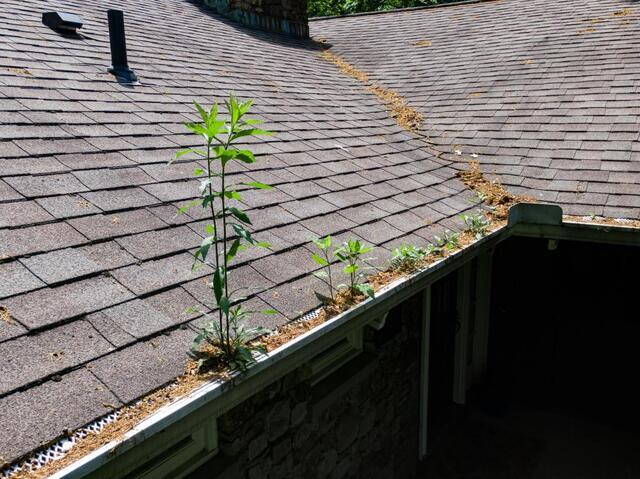
In Connecticut, gutters are not just a small detail on the edge of your roof. They are part of your home’s first line of defense against water damage.
Between spring rain, summer thunderstorms, fall leaves, winter snow, and freeze-thaw cycles, your gutter system works year-round to move water away from your roof, siding, foundation, walkways, basement, and landscaping.
At Brown Roofing, we have seen what happens when gutters are ignored. A small clog can turn into overflowing water. Overflowing water can lead to rotted fascia, damaged shingles, foundation issues, basement moisture, and expensive repairs.
As Brown Roofing owner Eddie Griffin says:“A gutter problem usually does not stay a gutter problem. Once water starts going where it should not, it can affect the roof, the siding, the foundation, and even the inside of the home.”
That is why regular gutter maintenance is so important for Connecticut homeowners.
1. Clean Your Gutters in the Spring and Fall
Most Connecticut homes should have their gutters cleaned at least twice a year, once in the spring and once in the fall.
Spring cleaning removes debris left behind by winter storms. Fall cleaning clears leaves, acorns, pine needles, twigs, and roof grit before freezing temperatures arrive.
Homes surrounded by trees may need gutter cleaning more often, especially after heavy wind or rain.
“Connecticut homeowners deal with every kind of weather,” says Eddie Griffin. “Rain, leaves, snow, ice, wind, and heavy runoff all put stress on the gutter system. Keeping gutters clear is one of the simplest ways to protect your home.”
2. Watch Your Gutters During Heavy Rain
One of the easiest ways to spot a gutter issue is to look at your home while it is raining.
Water should move smoothly through the gutters and out through the downspouts. If water is spilling over the front edge, pouring behind the gutter, or running down the siding, something is wrong.
Common causes include clogged gutters, blocked downspouts, improper pitch, loose fasteners, or gutters that are too small for the amount of roof runoff.
When water overflows near the home, it can soak the soil around the foundation and increase the risk of basement water problems.
3. Make Sure Downspouts Drain Away From the Foundation
Your gutters are only doing their job if the water is being moved away from your home.
Downspouts should not dump water directly at the foundation. They should direct water several feet away from basement windows, walkways, patios, foundation walls, and landscaped areas.
If you see pooling water near the home after a storm, your downspouts may need extensions or adjustment.
“The goal is not just to get water off the roof,” Eddie explains. “The goal is to move it safely away from the house. That is where a lot of homeowners get into trouble.”
4. Look for Sagging, Loose, or Pulling Gutters
Gutters should sit securely against the fascia and maintain the proper slope toward the downspouts.
If your gutters are sagging, bowing, or pulling away from the home, they may be overloaded with debris, damaged by ice, or improperly attached.
Sagging gutters can hold standing water. In the winter, that water can freeze, adding more weight and making the problem worse.
A gutter that is pulling away from the home can also expose fascia boards to moisture, which may lead to wood rot.
5. Clear Debris From Roof Valleys and Gutter Lines
Debris does not always begin inside the gutter.
Leaves, sticks, moss, and roof debris often collect in roof valleys, behind chimneys, near dormers, and along lower roof sections. When it rains, that debris can wash directly into the gutter system.
Debris sitting against shingles can also trap moisture, which may speed up shingle wear and create vulnerable areas on the roof.
At Brown Roofing, we look at the full water flow of the home, not just the gutter itself.
6. Inspect Seams, Corners, and End Caps for Leaks
Gutter seams, corners, and end caps are common leak points.
Over time, sealants can dry out, pull apart, or fail. Small drips may not look serious, but repeated water exposure in the same area can damage siding, trim, fascia, landscaping, and foundation areas.
If you notice dripping from a corner or joint, it is worth having the system inspected before the problem spreads.
7. Pay Attention to Ice and Winter Buildup
Connecticut winters can be especially hard on gutter systems.
Snow, ice, and freezing rain can add serious weight to gutters. Clogged gutters can freeze solid, and trapped water may back up near the roof edge.
It is also important to understand that gutters do not usually cause ice dams by themselves. Ice damming is often connected to attic heat loss, ventilation issues, insulation problems, and snow melting and refreezing at the roof edge.
However, clogged or frozen gutters can make winter drainage problems worse.
“When we see heavy ice buildup at the edge of a roof, we do not just look at the gutter,” says Eddie Griffin. “We look at the roof, attic, ventilation, insulation, and how the whole system is working together.”
8. Trim Branches Back From the Roof
Trees are beautiful, but branches hanging over your roof can create constant gutter problems.
Leaves, pine needles, seed pods, sticks, and moss can quickly fill a gutter system. Branches can also scrape shingles during storms and create shaded areas where moisture lingers.
Trimming branches away from the roof can help reduce debris, improve drying, and make gutter maintenance easier.
9. Make Sure Your Gutters Are the Right Size
Sometimes the problem is not debris. Sometimes the gutter system is simply not strong enough or large enough for the home.
Homes with large roof sections, steep roof pitches, long gutter runs, or heavy runoff areas may need a higher-capacity gutter system.
If your gutters are clean but still overflow during storms, your system may be undersized, improperly pitched, or poorly designed.
That is where a professional inspection can make a big difference.
10. Consider a Stronger, Lower-Maintenance Gutter System
For homeowners tired of constant cleaning, overflowing gutters, and water problems, Brown Roofing offers high-performance gutter solutions designed to protect the home more effectively.
A properly installed gutter system helps protect:
- Your roofline
- Your fascia boards
- Your siding
- Your foundation
- Your basement
- Your landscaping
- Your walkways and entry areas
At Brown Roofing, we install gutter systems with the same focus we bring to every roof, proper protection, clean workmanship, and long-term peace of mind.
“We do not believe in quick fixes that only solve the problem for one season,” Eddie says. “Our goal is to give homeowners a system that protects the house and gives them confidence every time it rains.”
When Should Connecticut Homeowners Call Brown Roofing?
You should schedule a gutter inspection if you notice:
- Water overflowing during rainstorms
- Gutters sagging or pulling away
- Leaks at seams or corners
- Water stains on siding
- Soft or rotted fascia boards
- Pooling water near the foundation
- Basement moisture after storms
- Heavy icicles or winter buildup
- Downspouts draining too close to the house
- Gutters that need constant cleaning
Small gutter issues are much easier to fix before they turn into roof, siding, or foundation problems.
Brown Roofing Is Here to Help Protect Your Connecticut Home
Your gutters may not get much attention, but they play a major role in protecting your home from water damage. With the right maintenance, the right inspection, and the right gutter system, you can help prevent costly problems before they begin.
At Brown Roofing, we help Connecticut homeowners protect their homes from the roof down. Whether you need gutter maintenance, gutter replacement, roof repair, or a complete exterior inspection, our team is here to help.
Because when it comes to protecting your home…Brown Won't Let You Down!

.png)