The Silent Drip: Common Causes of Roof Leaks in Connecticut Homes
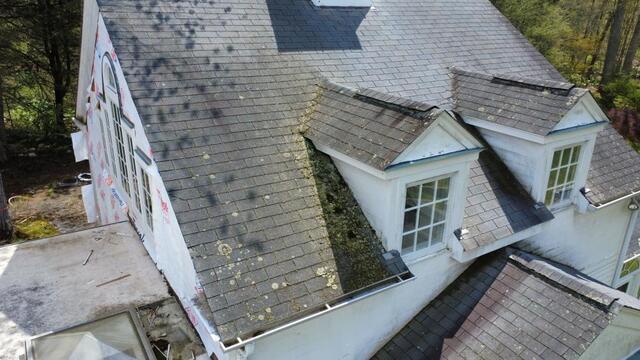
Understanding the common causes of roof leaks in Connecticut is so important. The sooner a problem is identified, the better the chance of avoiding interior damage, mold, insulation issues, and costly repairs.
At Brown Roofing, we see roof leaks caused by many of the same trouble spots over and over again across Fairfield County, New Haven County, and Litchfield County. Connecticut weather has a way of exposing every weak point in a roofing system.
Connecticut Weather Puts Roofs to the Test
Roofs in Connecticut take a beating year-round. Winter brings snow, ice, and freeze-thaw cycles. Spring often reveals the damage left behind. Summer heat can age shingles faster than homeowners realize, and fall fills gutters with leaves and debris just before cold weather returns.
A roof does not have to be old to leak, but age certainly increases the risk. When roofing materials begin to break down, they become more vulnerable to the elements. Once water finds a way in, it starts working behind the scenes.
Damaged or Worn Shingles
One of the most common causes of roof leaks is shingle damage. Over time, shingles can crack, curl, loosen, or lose the protective granules that help shield the roof from water and UV exposure. Wind can lift shingles or tear them off entirely, especially after strong storms.
When shingles are compromised, the roof becomes far more vulnerable to water intrusion. Even one missing or damaged shingle can expose the layers beneath it and allow moisture to work its way into the roof decking.
In Connecticut, this problem often gets worse after winter. Snow loads, ice, and repeated freezing and thawing can wear shingles down faster, especially on older roofs.
Failing Flashing Around Roof Transitions
Flashing is one of the biggest leak-prevention components on any roof, but it is also one of the most common failure points. Flashing is installed around chimneys, skylights, roof valleys, vents, and anywhere the roof meets a wall or penetration.
If flashing becomes loose, rusted, improperly sealed, or incorrectly installed, water can slip right past it. Many roof leaks do not start in the open field of shingles. They begin at these critical transition points where water naturally collects or changes direction.
In Connecticut homes, chimney flashing is a frequent source of trouble. Between harsh winters and years of exposure, flashing around masonry can separate, crack, or deteriorate. Skylights are another common area where leaks can develop if flashing is not integrated properly into the roofing system.
Ice Dams in Winter
Ice dams are a classic Connecticut roof problem. They form when heat escapes into the attic and warms the roof deck, causing snow to melt. That meltwater runs down the roof until it reaches the colder eaves, where it refreezes. As the ice builds up, it traps more water behind it.
That backed-up water can then sneak beneath shingles and into the home.
Ice dam leaks often show up around exterior walls, ceilings, and insulation, but the real culprit is usually a mix of poor attic ventilation, insufficient insulation, and winter weather conditions. Many homeowners think the leak is simply caused by snow, but the issue usually starts with how the home is handling heat.
Clogged or Failing Gutters
Gutters play a major role in moving water safely away from the roofline. When gutters are clogged with leaves, sticks, and debris, water can overflow or back up at the edges of the roof. That extra moisture can work its way into fascia boards, roof decking, soffits, and even inside the home.
In Connecticut, clogged gutters become especially problematic in the fall and winter. Leaves can pack the system full just before freezing temperatures hit. Then water has nowhere to go. Overflow, ice buildup, and hidden moisture damage are often close behind.
A roof leak is not always caused by the shingles themselves. Sometimes the drainage system is the real problem.
Roof Valleys Taking on Too Much Water
Roof valleys are designed to channel large amounts of water down the roof. Because they handle so much runoff, they are especially vulnerable if shingles, underlayment, or flashing in the valley begin to fail.
When a valley is worn, improperly installed, or damaged, water can penetrate quickly. This is one of the reasons valleys should always be inspected carefully, especially on older Connecticut roofs or after severe storms.
Chimney and Masonry Deterioration
Connecticut homeowners often assume a leak near the chimney means the roof is failing. Sometimes that is true, but in many cases the masonry itself is part of the problem. Cracked mortar, deteriorating bricks, and crown damage can allow water to enter and travel into the home in ways that mimic a roof leak.
When chimney issues combine with failing flashing, the result can be a stubborn leak that keeps returning until both the roof and masonry components are addressed properly.
Poor Attic Ventilation
A poorly ventilated attic can quietly shorten the life of a roofing system and contribute to leaks. When heat and moisture get trapped in the attic, they create conditions that can lead to condensation, mold, wood rot, and ice dam formation.
Many homeowners do not realize that what is happening underneath the roof can be just as important as what is happening on top of it. A roofing system works best when shingles, underlayment, ventilation, insulation, and flashing all work together.
Skylights, Pipe Boots, and Roof Penetrations
Anything that sticks through the roof creates a potential entry point for water. Plumbing vent pipes, attic vents, bathroom exhausts, and skylights all need to be sealed and flashed correctly.
Rubber pipe boots can crack over time. Sealants can fail. Older skylights may develop leaks around the frame or flashing. These small details often cause big headaches because leaks from roof penetrations can travel before becoming visible inside the home.
Storm Damage That Is Easy to Miss
Not all storm damage is dramatic. Homeowners often notice a tree branch on the lawn, but they do not always notice lifted shingles, punctures, loosened flashing, or small impact damage from debris. That subtle damage can become the starting point for a future leak.
This is why roof inspections after strong wind, hail, or severe winter weather are so important in Connecticut. What looks minor from the ground can turn into interior damage later.
The Danger of Waiting Too Long
One of the biggest causes of major roof leak damage is delay. A small leak does not stay small for long. Water can damage roof decking, insulation, drywall, paint, framing, and even electrical systems. It can also create conditions for mold growth.
The earlier a leak is found, the more options a homeowner usually has. Sometimes a targeted repair can solve the issue. Other times, especially when the roof is aging or failing in multiple areas, a full roof replacement is the smarter long-term solution.
Protecting Connecticut Homes Starts with the Right Inspection
Every leak tells a story. Sometimes that story starts with storm damage. Sometimes it starts with aging shingles, bad flashing, clogged gutters, or attic ventilation problems. The key is finding the true source before the damage spreads.
At Brown Roofing, we know that a roof is never just a roof. It is the system that protects your home, your family, and everything underneath it. That is why our inspections are designed to look beyond the surface and identify the real causes of leaks, not just the symptoms.
If your Connecticut home is showing signs of a roof leak, do not wait for the next storm to make it worse. Brown Roofing is here to help homeowners across Fairfield County, New Haven County, and Litchfield County identify roofing problems, explain the options clearly, and provide the protection your home needs.

.png)