What to Expect, the Brown Roofing Installation Process
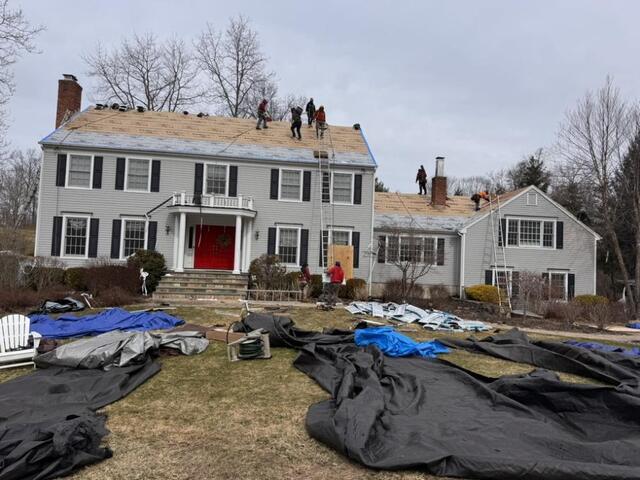
When most homeowners think about a roof replacement, they picture shingles going on the house and a finished roof at the end of the day. But a quality roofing system is much more than what you can see from the street. A properly installed roof is a complete system designed to protect your home from wind, rain, snow, and moisture for years to come.
At Brown Roofing, we believe homeowners should understand exactly what goes into their new roof and why the installation process matters. As Brown Roofing owner Eddie Griffin says, “We don’t just install a roof, we fortify it.” That mindset guides every step of our process.
It Starts With a Thorough Inspection
Before installation begins, we take a close look at more than just the shingles. A roof problem is not always limited to the surface. In many cases, signs of trouble show up in the attic first.
That is why our team looks for things like water staining, small leaks, mold, poor ventilation, and signs of structural wear. We also check around vulnerable areas like chimneys, roof penetrations, and valleys. This helps us understand the full condition of the roofing system and identify issues that need to be addressed before the new roof goes on.
A roof replacement should never be treated like a cosmetic upgrade alone. It is an opportunity to improve the way your home is protected.
Protecting Your Home Comes First
One of the biggest concerns homeowners have is what happens to their property during tear-off. That is a fair concern. Replacing a roof is a major project, and protecting your home and yard is an important part of doing the job right.
Before we begin removing old roofing materials, our crew takes steps to protect landscaping, siding, windows, and other exterior areas around the home. We want the project site to stay controlled, organized, and as clean as possible from start to finish.
At Brown Roofing, the job is not just about installing a new roof. It is also about respecting the home underneath it.
Removing the Old Roof and Checking the Decking
A roof replacement done right starts with a full tear-off down to the roof deck. This gives us a clear view of the structure beneath the shingles.
Once the old materials are removed, we inspect the decking carefully. If we find soft spots, rot, loose sections, or damaged wood, those areas are addressed before moving forward. We also make sure the decking is properly secured, including taping the seams, making them water tight.
This step matters because shingles are only as reliable as the surface they are attached to. A beautiful new roof installed over weak or damaged decking is like building on a shaky foundation.
Building a Water-Tight Roofing System
After the roof deck is prepared, the next priority is protecting the home from water intrusion.
Some of the most vulnerable areas of any roof are the edges, valleys, penetrations, and transition points. These are the places where leaks are most likely to develop if the installation is rushed or incomplete. That is why Brown Roofing installs protective materials designed to help defend against water infiltration in these critical areas.
This includes leak barriers in high-risk sections, ice & water shield and synthetic underlayment across the roof surface, and other protective components that work together as part of a complete system. These layers are essential because your shingles are the first line of defense, but they should never be the only one.
A properly built roof system is designed with backup protection in mind.
Drip Edge, Rake Edge, and Starter Shingles
The perimeter of your roof plays a major role in both water control and wind protection. That is why we pay close attention to the edge details.
Metal edge components help guide water away from the roofline and protect the roof deck from moisture intrusion. Starter shingles are also installed at the roof edges to help create a strong seal and support the first course of shingles.
These details may not stand out once the project is complete, but they play a major role in the long-term performance of the roof. Small installation choices at the edges can make a big difference during heavy rain or high wind.
Shingle Installation Matters More Than Most Homeowners Realize
To most homeowners, one shingle may look a lot like another. What often makes the difference is not just the product itself, but how it is installed.
Proper nail placement (with ring shank nails), fastening methods, and installation patterns all matter. A roof can have quality shingles on it, but if those shingles are nailed incorrectly, the system is already compromised. Poor nailing can affect wind resistance, durability, and overall lifespan.
That is why Brown Roofing follows installation standards carefully and focuses on the details that many homeowners never get to see. The goal is not just to make the roof look good when the job is done. The goal is to make sure it performs the way it should when your home is hit with real Connecticut weather.
Flashing, Valleys, Skylights, and Other High-Risk Areas
Some areas of a roof require extra care because they handle more water or are naturally more vulnerable to leaks. Valleys, chimneys, skylights, vent pipes, and wall intersections all fall into that category.
These areas need the right combination of materials and installation techniques to stay watertight. If one of these details is done poorly, it can lead to hidden leaks and interior damage even when the rest of the roof looks fine.
At Brown Roofing, these are never treated like minor details. They are some of the most important parts of the entire project. A roof system is only as strong as its weakest point, which is why these transition areas receive close attention throughout the installation.
Proper Ventilation Is Part of a Healthy Roof
A roof is not just about keeping water out. It also needs to allow the attic to breathe properly.
Ventilation plays an important role in helping regulate attic temperature and moisture levels. Without it, heat and humidity can build up, which may contribute to mold, condensation, premature shingle aging, and other problems.
That is why ventilation is part of the conversation during the Brown Roofing installation process. A quality roofing system should protect the home from above while also helping the space below it function properly.
Cleanup and Final Quality Control
When the roof installation is complete, the work is not done until the property is cleaned up and the final details are checked.
Our team takes cleanup seriously. That includes removing debris, sweeping the property, and using magnetic tools to help collect stray nails. We also perform final inspections to make sure the roof system has been installed to our standards.
Homeowners should not be left with a mess after a roof replacement. They should be left with peace of mind.
Why the Installation Process Matters
A new roof is a major investment. Homeowners deserve more than a quick installation and a pile of leftover debris in the driveway. They deserve a process that is thoughtful, protective, and focused on long-term results.
At Brown Roofing, we believe the installation process matters just as much as the finished product. From attic inspection to final cleanup, every step is designed to protect your home and give you confidence in the roof over your head. That is what Eddie Griffin means when he says, “We don’t just install a roof, we fortify it.”
When you understand how your roof is installed, you can better understand the value of choosing a contractor who takes the details seriously.
If you are thinking about replacing your roof, Brown Roofing is here to walk you through the process, answer your questions, and help you make the right decision for your home.
Brown Won’t Let You Down.

.png)