What Windows Are Right For You?
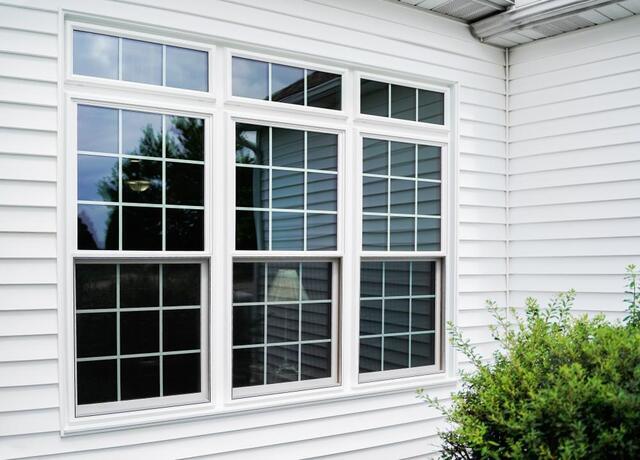
If you’ve ever stood next to a window in January and felt a cold “radiation chill” on your face, you already understand the real question behind window shopping: comfort.
At Brown Roofing, we install replacement windows with Connecticut weather in mind, and we hear the same questions all the time. What’s the difference between single-pane, double-pane, and triple-pane windows? Are triple-pane windows always worth it? Why do some windows cost so much more than others?
Let’s walk through it in plain English, without the hype.
“A window isn’t just glass. It’s a system. The right choice comes down to comfort, efficiency, and making sure it’s installed tight.”
Eddie Griffin, Owner, Brown Roofing
First, the quick “how windows are judged” lesson
Before we even talk panes, it helps to know what actually determines a window’s performance. Most quality windows come with a label that lists a few key ratings. The two biggest are U-factor and SHGC.
U-factor is basically the window’s insulation score. Lower is better. The lower the number, the less heat leaks out in winter and the less heat sneaks in during summer.
SHGC stands for Solar Heat Gain Coefficient. This measures how much heat from sunlight passes through the window. In rooms that roast in afternoon sun, a lower SHGC can help. In rooms that could use a little free winter warmth, a higher SHGC can be beneficial.
And there’s one more thing that matters a lot, even though most homeowners don’t hear about it enough: how airtight the window is, and how well it’s installed. A premium window can still feel drafty if it’s installed poorly.
“If there’s one thing I wish every homeowner knew, it’s this: the best window in the world won’t perform like it should if it isn’t installed and sealed correctly.”
Dennis Danley, General Manager, Brown Roofing
Single-pane windows: simple, historic, and the least efficient
Single-pane windows are exactly what they sound like: one sheet of glass. You’ll typically find them in older homes, especially where original wood windows are still in place.
The main advantage is that they’re light and often match historic architecture beautifully. If your home has original character, single-pane windows can preserve that look.
The downside is comfort and efficiency. With only one layer of glass, single-pane windows lose heat fast and the interior glass gets cold, which makes rooms feel drafty even if you don’t have an actual air leak. They also tend to have more condensation issues because the inside surface gets cold enough for moisture in the air to turn into water.
From a cost standpoint, single-pane glass is the least expensive as a product, but replacing windows in older homes can still be a meaningful investment because labor, trim work, and repairs often drive the price more than the glass itself.
One important note: if you have older single-pane wood windows you love, you don’t always need to rip them out to improve comfort. In some cases, adding storm windows and properly air-sealing can be a smart “middle path” that improves comfort while keeping the original look.
Double-pane windows: the best all-around choice for most homeowners
Double-pane windows have two layers of glass with a sealed space between them. That “air pocket” is the whole magic trick. It slows down heat transfer and improves comfort dramatically compared to single-pane glass.
In everyday terms, double-pane windows typically make the biggest noticeable difference for the money. The glass stays warmer in winter, rooms feel less drafty, and you usually get better control over condensation. Many modern double-pane options also include low-e coatings and gas fills that increase efficiency further, which matters during long Connecticut heating seasons.
For performance and value, this is where most homeowners land when they want a meaningful upgrade without going all the way into premium territory.
Cost-wise, double-pane is usually the baseline for today’s replacement windows, and the final price depends heavily on the frame material, window size, how many you’re replacing, and what the installation involves. Things like rotted wood, old trim, out-of-square openings, and custom sizing can affect pricing as much as the window itself.
Triple-pane windows: maximum comfort, premium performance, and heavier hardware
Triple-pane windows add a third layer of glass, creating two sealed spaces. That extra layer is most noticeable in comfort. The interior glass tends to stay warmer in winter, which can make the “cold window zone” by your couch or kitchen table feel dramatically better.
Triple-pane windows can also help with sound reduction, especially when paired with the right glass configuration. And for homeowners trying to push efficiency as far as possible, triple-pane is often the path to very low U-factors.
The tradeoff is cost and weight. Triple-pane units are heavier, which can affect how large certain window styles can be and may require sturdier hardware. The added materials also raise the price, and depending on your home, the energy savings alone may or may not be the main reason to choose them. Many people choose triple-pane because they want the highest comfort level, not just a smaller utility bill.
In other words, triple-pane can be a fantastic choice, but it’s not automatically the “best” choice for every home.
So which one should you choose?
If you’re deciding based on real-world outcomes, here’s the honest approach we use when advising homeowners.
If you love the look of older original windows and your priority is preserving character, keeping single-pane windows and improving them with smart upgrades can be a great strategy. Not every home needs a full replacement to feel better.
If you want a strong comfort upgrade, better efficiency, and the best balance of value for most homes, double-pane is usually the sweet spot.
If you’re chasing maximum comfort near the glass, you’re sensitive to cold, or you want premium performance for Connecticut winters, triple-pane can absolutely be worth it, especially when paired with good air sealing and insulation throughout the home.
And no matter what you choose, the installation matters. Proper leveling, fastening, air sealing, insulation around the frame, and clean exterior flashing details are what separate a window that performs well for decades from one that feels “off” immediately.
The Brown Roofing way: choose the right window, then install it right
At the end of the day, a window should make your home feel quieter, more comfortable, and more consistent from room to room. The “pane count” is part of the story, but the full picture includes the performance ratings, the right glass choice for your sunlight exposure, and installation quality.
If you’re thinking about replacement windows and want help comparing options for your specific home, we’re happy to talk it through in plain language and help you choose what makes sense for your comfort and budget.
Call Brown Roofing at 1-203-723-1372 to schedule a window evaluation.
.png)