Roof Replacement: The Cost of Waiting
Thinking about a new roof… but hoping to squeeze out “just a couple more years”? You’re not alone. Roof replacements are a big investment, and it’s normal to want to time it right.
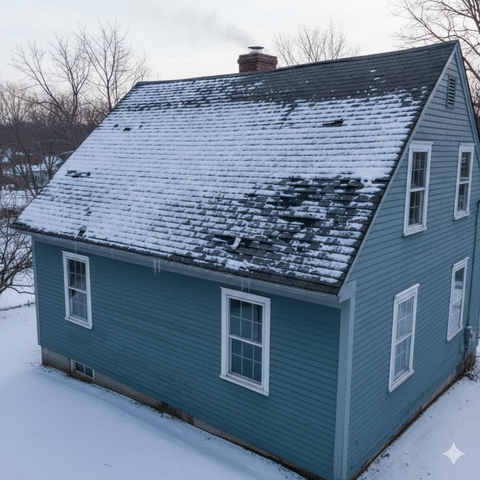
Here’s the catch: the longer you wait, the more chances your roof has to turn a manageable project into a bigger, more expensive one.
As Eddie Griffin, Owner of Brown Roofing, puts it: “Homeowners don’t call us because they’re bored. They call because they want peace of mind. The best time to replace a roof is before it starts costing you in hidden damage.”
The best time to replace your roof? Yesterday. The next best time is today.
We hear this question all the time: “When’s the best and cheapest time to buy a roof?”
Our honest answer is usually: yesterday. Not because we’re trying to be dramatic, but because roofs don’t get cheaper with age, and problems don’t sit politely in one spot. Dennis Danley, General Manager at Brown Roofing, says it best: “When you replace a roof on your schedule, you’re paying for a roof. When you replace it after leaks start, you’re paying for a roof and everything the water touched.”
Damage doesn’t stay where you can see it.
One of the biggest surprises for homeowners is that roof problems often spread under the surface.
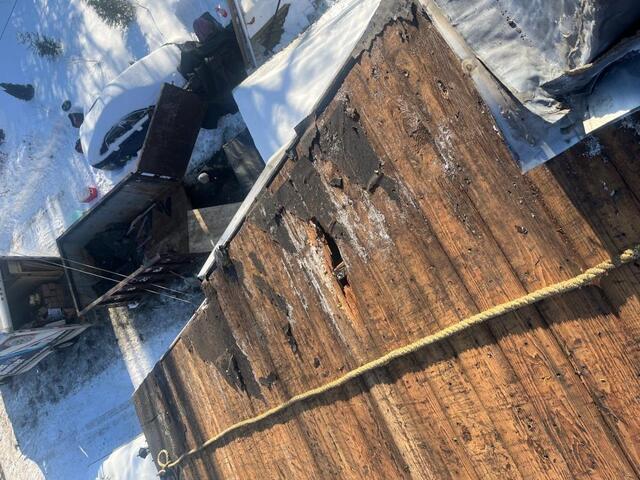
For example: You might see a small area of dark shingles, a patch of moss, or a little staining. Moisture can travel under shingles, along the underlayment, and into the decking. What looks like a small exterior issue can be a bigger issue underneath.
In plain English: water is sneaky.
What “small” problems can turn into.
If you wait, a minor issue can become: Soft or rotted roof decking. Damaged flashing around chimneys, skylights, and valleys. Wet insulation and attic moisture. Ceiling stains, drywall damage, and interior repairs. Mold-friendly conditions in the attic.
Eddie Griffin: “A roof is a system, not just shingles. When one part starts failing, the rest of the system gets stressed. Fixing it early is almost always the least expensive path.”
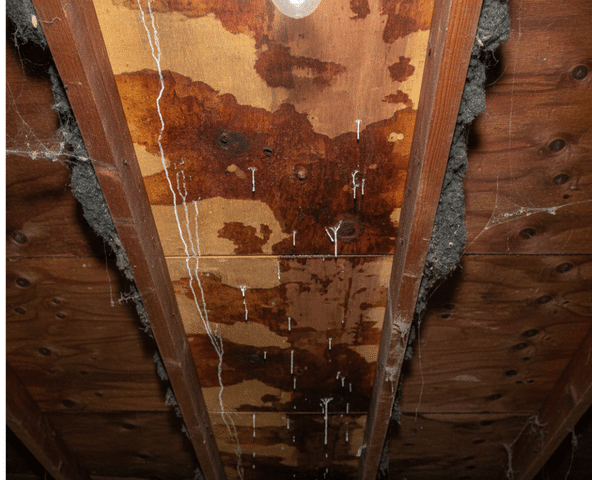
Waiting can change the scope… and the price.
Roofing costs aren’t just shingles. The final investment depends heavily on what’s happening underneath and how much repair work is needed once everything is opened up. If the roof decking is compromised in multiple areas, or if leaks have been active long enough to affect interior spaces, the project can grow quickly.
Dennis Danley: “Most of the expensive stuff is what homeowners don’t see. That’s why inspections matter. If we catch problems early, we can usually keep the plan simple and the budget more predictable.”
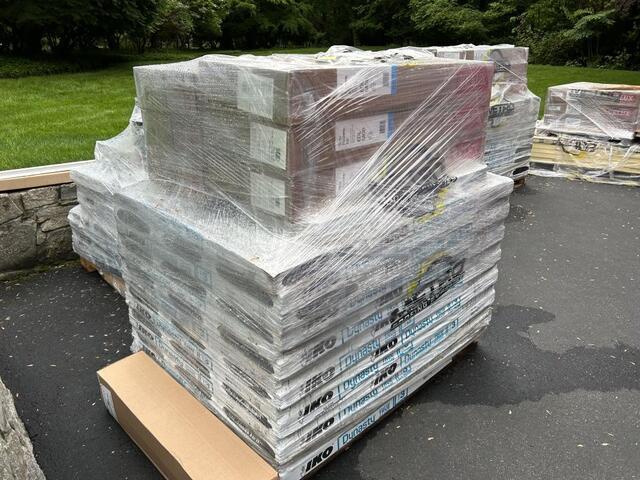
Costs to rise over time.
Even if your roof stayed exactly the same (it won’t), roofing costs can still rise year to year due to: material pricing changes, labor and scheduling demand, supply chain shifts, fuel and disposal costs, broader economic changes (and sometimes new fees or policy impacts).
Rather than guessing what the market will do next, we recommend treating your roof like what it is: a protective investment. If it’s nearing the end of its life, waiting often means paying more later for the same replacement, plus the risk of added damage.
“Maybe I’ll just repair it”
Repairs can be a great solution when the roof still has life left and the issue is isolated. But if the roof is aging, showing widespread wear, or has repeated problems, patching can turn into a cycle: Fix one area this year. Fix another area next year. Repeat until you’ve spent a meaningful chunk of a replacement cost… and still have an old roof.
Eddie Griffin: “If a repair buys you real time, it can be smart. If it’s just buying you the next leak, it’s usually better to put that money toward doing it once, the right way.”
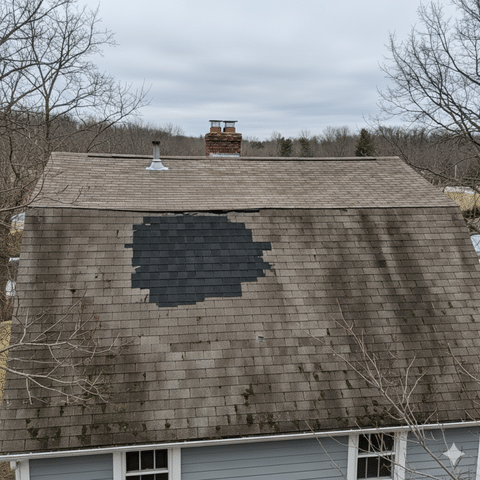
If you’re unsure whether you should repair now or replace, the smartest first move is a professional inspection that looks at both: the exterior roof surface, the attic/decking condition and the flashing details and leak-prone transitions.
Eddie Griffin: “Our job is to give you clarity. If you can repair it responsibly, we’ll tell you. If replacement is the smarter move, we’ll show you why.”
If your roof is nearing the end of its life, or you’ve seen signs like staining, moss, missing shingles, or recurring leaks, let’s take a look and give you options.
.png)