Creosote in Your Chimney
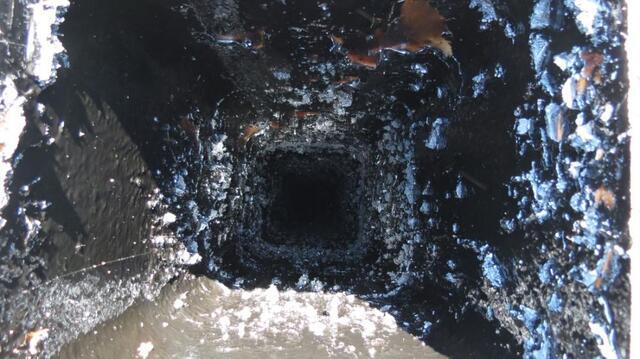
If you burn wood in a fireplace or wood stove, creosote isn’t a “maybe.” It’s a “when.” Creosote is the flammable, sticky (sometimes crusty, sometimes glassy) buildup that forms inside your flue liner when smoke cools and clings to the chimney walls. Left alone, it can ignite and cause a chimney fire. And even before it gets to that point, heavy buildup can restrict airflow and make your fireplace draft poorly, sending smoke and odors back into the home. Below is a homeowner-friendly guide to what creosote is, how it forms, warning signs to watch for, and how Brown Roofing’s chimney team can help keep your system safer and working the way it should.
As Jimmy, Brown Roofing’s Certified Chimney Sweep, puts it: “Most chimney problems don’t start with a big dramatic moment. They start with buildup you can’t see, getting a little worse each time you burn.”
What is creosote?
Creosote is a byproduct of burning wood. As smoke rises up your chimney, it carries water vapor, gases, and tiny unburned particles. When that smoke cools (especially in a colder flue), those byproducts condense and stick to the liner.
Creosote can appear in a few common “personalities”:
• Dry and flaky (soot-like): Often easier to remove with standard sweeping.
• Crunchy and tar-like: Thicker deposits that cling harder.
• Shiny, glazed, and hardened: The most stubborn form and often the most concerning because it can be difficult to remove safely.
Why creosote is dangerous?
1) It can ignite and cause a chimney fire
Creosote is fuel. If enough of it accumulates, a hot fire (or repeated hot fires) can ignite it. Chimney fires can damage the flue liner, crack masonry, and compromise the chimney system, sometimes in ways you can’t see from the living room or even from the roof. If you suspect you’ve had a chimney fire (even a small one), don’t use the fireplace again until it’s been swept and evaluated by a qualified professional.
2) It can choke the draft and make the fireplace perform poorly
Creosote buildup narrows the flue passage. Less “chimney breathing room” means weaker draft, which can lead to:
• Smoke spilling into the room
• A stubborn, hard-to-start fire
• Strong smoke odors that linger
• Faster creosote accumulation (a frustrating loop)
3) It can hide other problems
Creosote and soot can mask issues like damaged liners, missing mortar, or deteriorated components. That’s one reason sweeping is often paired with an inspection.
Why creosote builds up faster in the real world
Creosote forms any time you burn wood, but some habits and conditions make it build up much faster:
Burning wet or “green” wood
Wet wood creates cooler, smokier fires. More smoke + cooler flue temperatures = more condensation on the liner = more creosote.
Smoldering fires
Long, low, oxygen-starved fires (common when you “bank” a fire overnight) produce more unburned byproducts that become creosote.
Cold chimneys and exterior chimneys
Many Connecticut homes have chimneys on an exterior wall. In winter, that chimney stays colder, which encourages smoke to cool quickly and stick.
Short burn cycles
Quick, on-and-off fires may not heat the flue long enough to reduce condensation.
Signs you may have a creosote problem
You can’t see most of your flue liner from inside the home, but these clues are worth paying attention to:
• A strong smoky odor even when the fireplace isn’t in use
• Poor draft (smoke backs up into the room)
• Black, flaky debris in the firebox
• Dark stains around the damper area
• Your fires seem “lazy,” hard to start, or don’t burn cleanly
• It’s been more than a year since your last cleaning/inspection
How often should a chimney be inspected or cleaned?
A widely followed standard in the chimney industry is annual chimney inspection (and cleaning as needed), especially for systems that are used regularly. The Chimney Safety Institute of America (CSIA) documents inspection levels and references NFPA 211 as the standard many sweeps use for inspection requirements, including routine annual inspections and cleanings. Even if you don’t burn constantly, an annual check is a smart baseline because conditions can change: animals, moisture, liner damage, and hidden creosote buildup don’t always announce themselves politely.
“Can I just use a creosote log?”
Creosote-reducing products can sometimes help reduce certain deposits, but they’re not a replacement for a proper sweep and inspection. Think of them like brushing your teeth. Helpful, yes. But it doesn’t replace a dentist visit, and it definitely doesn’t fix a cracked tooth. If creosote is thick, tar-like, or glazed, professional tools and processes are often required.
What Brown Roofing can do to help
Brown Roofing offers chimney cleaning with certified chimney sweeps, and we approach it the way we approach roofs: protect the system, protect the home, and don’t guess when safety is involved. Depending on what we find, service may include: Chimney sweeping Removing creosote and soot buildup from the flue liner and smoke chamber using professional-grade brushes and equipment designed for chimney systems (not DIY shortcuts that leave dangerous deposits behind).
Inspection
A proper inspection helps identify:
• Creosote level and type
• Draft issues and airflow restrictions
• Liner condition
• Masonry or cap damage
• Signs of prior chimney fire or overheating
CSIA describes inspection levels (including Level 1 for routine annual use) and how those relate to NFPA 211 guidance.
Recommendations and repairs (if needed)
If we see issues like liner deterioration, failing mortar joints, damaged caps, or water entry points, we’ll outline what matters now vs. what can be planned.
Safety notes every homeowner should know
• If you suspect a chimney fire: stop using the fireplace and schedule a professional evaluation. Damage can be hidden even when everything looks “fine” from the living room.
• If smoke or odors are entering the home: don’t ignore it. Draft issues can indicate buildup or venting problems.
• Avoid DIY chimney cleaning unless you’re trained and equipped. Incomplete removal can leave hazardous deposits behind.
A simple creosote prevention checklist
If you want to slow creosote buildup between professional cleanings:
• Burn seasoned firewood (dry wood burns hotter and cleaner)
• Avoid long, smoldering fires when possible
• Make sure the damper is operating correctly (and fully open when burning)
• Keep your chimney cap and crown in good condition to prevent moisture intrusion
• Schedule annual inspections and cleanings as needed
If your fireplace is drafting poorly, you’re noticing smoky odors, or it’s simply been a while since your last cleaning, Brown Roofing can help you get ahead of creosote before it turns into a bigger problem. 1-203-723-1372 Click to Schedule Now
.png)