When Snow Melts, the Problems Start
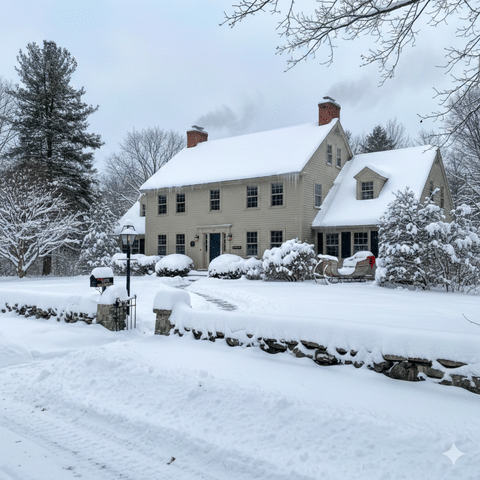
A fresh snowfall looks harmless. It’s quiet, clean, and for a moment your home feels wrapped in a winter postcard. Then the melt begins. That’s when winter stops being scenic and starts getting sneaky. Melting snow doesn’t just “go away”, it turns into moving water that tries to find the fastest path down, and the easiest crack to slip into. As Brown Roofing owner Eddie Griffin puts it: “Snow is temporary. The damage may not be.”
Below is what melting snow can do to the key exterior systems of your home, plus what to watch for and how Brown Roofing helps homeowners across Fairfield, New Haven, and Litchfield County stay protected.
Why Melting Snow Is Harder on a Home Than the Snowfall
Snow sitting on your roof is one issue. Snow turning into water is another. Melting snow creates:
• High volumes of runoff in a short time
• Freeze-thaw cycles that expand tiny gaps into bigger ones
• Backups at the eaves (ice dams) that push water where it was never supposed to go
• Saturated materials that get heavier, weaker, and more prone to failure
Eddie says it best: “Winter doesn’t always break things in one shot. It works the seams, the edges, the weak spots. Meltwater is patient.”
1) Roof Damage From Melting Snow
When snow melts on a roof, water rushes downhill. If everything is sealed and ventilated properly, it sheds safely. If not, meltwater finds trouble spots.
Common roof problems caused by melting snow:
• Ice dams at the eaves that force water backward under shingles
• Leaks around flashing (chimneys, walls, skylights, valleys, pipe boots)
• Shingle lifting and wind damage after repeated freeze-thaw loosens seals
• Decking and attic moisture that can look like “condensation” but may be a roof leak
Warning signs:
• Water stains on ceilings or around skylights
• Drips in the attic during warm-ups
• Bubbling paint, damp insulation, or a musty smell
2) Gutters and Downspouts Take a Beating
Gutters are supposed to catch and channel water. But melting snow can overload them, freeze inside them, and turn them into heavy, stressed-out metal anchors hanging off your fascia.
What melting snow does to gutters:
• Ice-filled troughs that expand and warp sections
• Loose fasteners from repeated ice weight and movement
• Overflow that dumps water behind gutters and down exterior walls
• Downspout freezes that cause backups and spillover at the worst possible spot
Warning signs:
• Gutters pulling away from the house
• Water pouring over the front edge during melt
• Icicles and thick ice sitting inside gutters for days
3) Siding Problems: Water Behind the Walls
Siding isn’t waterproof like a fish tank. It’s a weather-shedding system. When melting snow overflows gutters or runs behind trim, it can sneak behind siding and cause rot or mold in the wall assembly.
How meltwater damages siding:
• Water intrusion behind panels through seams, corners, and trim
• Swelling or warping (especially with wood products)
• Paint failure and peeling from trapped moisture
• Hidden rot at the bottom courses and around windows/doors
Warning signs:
• Soft or spongy spots near corners or lower walls
• Bubbling paint, staining, or mildew
• Cracked caulk lines that keep reopening
4) Windows: Leaks, Drafts, and Condensation Confusion
Melting snow can make windows look like the problem when the real issue is water traveling from above or behind siding.
Common winter melt window issues:
• Water getting behind trim and leaking into frames
• Failed seals that create fogging between panes
• Drafts caused by shrinking materials and older flashing details
• Condensation buildup that can rot sills and trim over time
Warning signs:
• Water on interior sills after warm-ups
• Peeling paint or dark staining around window corners
• Foggy glass that never clears
5) Chimney Trouble: Freeze-Thaw Is Brutal on Masonry
Chimneys are famous for “looking fine” until they’re not. Melting snow and freezing temperatures are a perfect recipe for masonry damage because brick and mortar absorb water, then expand when it freezes.
What melting snow does to chimneys:
• Cracked mortar joints and loose brick from expansion
• Spalling (brick faces flaking off)
• Leaky flashing where chimney meets roof
• Crown deterioration that lets water straight into the structure
Eddie Griffin’s warning is simple: “If water gets into a chimney in winter, freezing does the rest. Small cracks become big repairs.”
Warning signs:
• White staining (efflorescence) on brick
• Pieces of masonry in the yard or on the roof
• Water stains near the fireplace, attic, or chimney chase
• Rusted damper or firebox components
How Brown Roofing Can Help
Melting snow problems are usually system problems. Roof, ventilation, flashing, gutters, siding details, and chimney components all work together. Brown Roofing is built for diagnosing the whole exterior, not just one symptom.
Here’s how we help:
• Roof inspections to pinpoint leak sources, flashing issues, and weak transitions
• Ice dam and winter leak troubleshooting (attic, ventilation, insulation, and roof edge details)
• Gutter repair/replacement and drainage corrections to stop overflow damage
• Siding and trim evaluations to find where water is getting behind the wall
• Window assessments to identify seal failure, flashing issues, and moisture entry points
• Chimney services including inspections and masonry solutions to address winter water damage
If you’re seeing warning signs during a thaw, don’t wait for “spring” to confirm it. Winter water damage compounds fast. As Eddie says: “The best time to stop water is the first time you see it. The second best time is today.”
Make the Fix Affordable: Payments as Low as $99/Month
If winter exposed problems you weren’t planning on dealing with right now, we get it. Brown Roofing offers financing options that can make replacement manageable, with payments as low as $99 per month (for qualified buyers). That means you can protect your home now, not after another storm cycle turns a small issue into a big one. Waiting for Spring won't fix it.
Snow is heavy, but meltwater is relentless. It runs, refreezes, backs up, and sneaks into seams your home only gets away with when conditions are mild. If you’ve noticed stains, drips, gutter sagging, peeling paint, drafty windows, or chimney cracks during the thaw, that’s your home waving a little white flag. And as always… Brown won’t let you down
.png)